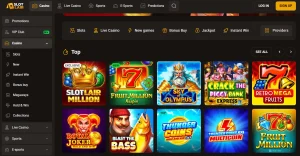

A useful answer to “is SlotLair safe?” is not a yes/no label. The current evidence is mixed and should be separated by type. No UK Gambling Commission licence has been verified for SlotLair, so UKGC, GAMSTOP or UKGC-linked consumer protections should not be assumed. At the same time, SlotLair publishes Terms, payment information, KYC rules and support routes that can be checked directly. As of 11 September 2026, Trustpilot shows a 2.5/5 TrustScore from 449 reviews, with 59% one-star reviews. That is a poor reputation signal and the recent review stream includes complaints about withdrawals, account closure and support, but user reports are not proof that every player will have the same outcome or proof of fraud.
Reputation is better assessed as several independent evidence layers rather than a single safe-or-unsafe badge.
What the current review signal says
Trustpilot’s current SlotLair profile is a time-sensitive snapshot, not a permanent score. On 11 September 2026 it shows 449 reviews and a TrustScore of 2.5 out of 5, classified as Poor. The distribution is heavily negative, with 59% of reviews at one star. Recent posts include allegations about unpaid winnings, withdrawal disputes, account closure and support handling, while other reviews describe successful withdrawals or positive product experiences.
The right way to use that information is as a friction signal. A concentration of negative feedback tells you which parts of the customer journey deserve extra verification before you deposit. It does not establish the truth of every allegation, and it should not override current official rules when a reviewer describes a policy differently from the operator’s published Terms.
Licence evidence and reputation evidence are different
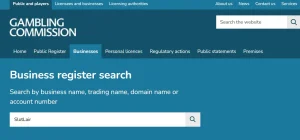
Start with the regulatory layer. No UKGC licence has been verified for SlotLair in the current licence check. For Great Britain, the UK Gambling Commission states that operators providing remote gambling to consumers in England, Scotland and Wales require a Commission licence. This is an objective regulatory fact, not a review-platform opinion.
The SlotLair licence and trust page explains that position in detail, including the separate Northern Ireland framework and the multi-source Costa Rica jurisdiction report. For reputation analysis, the important point is simpler: do not use positive reviews as a substitute for a licence check, and do not use negative reviews as a substitute for proving a regulatory breach.
Compare withdrawal complaints with the current cashier rules
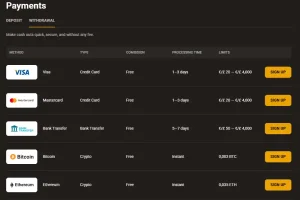
Withdrawal complaints are one of the recurring themes worth checking, but they need context. SlotLair’s current official payments information lists GBP withdrawal routes including Visa, Mastercard and bank transfer, while the current Terms allow identity verification to hold a payout. That means a report saying “my withdrawal was delayed” can reflect several different possibilities: payment-method processing, an account-level verification hold, a terms dispute or a service problem.
The SlotLair withdrawals guide separates those layers and records the current published method times and account limits. When reading a complaint, compare the date, method, KYC status and published rule in force at the time. A dramatic anecdote with none of that context is less useful than a repeated pattern that matches a known operational bottleneck.
| Signal | What it can tell you | What it cannot prove by itself |
|---|---|---|
| UKGC register status | Whether a GB licence can be verified | Quality of every support or payment interaction |
| Official payments and Terms | Published methods, limits and account rules | That every individual payout will complete on the fastest displayed timeline |
| KYC clauses | Whether identity checks can affect payout | A universal processing time for every verification case |
| Trustpilot profile | Aggregate customer sentiment and recurring complaint themes | That every allegation is proven or every customer has the same experience |
| Support channels | How the operator says users can seek help | Guaranteed response quality or resolution time |
KYC can explain friction, but it should not excuse unclear handling
SlotLair’s Terms say identity verification may be required before payout and list examples of documents that may be requested. That makes KYC a legitimate operational factor to consider when a withdrawal stalls. It also means a player should keep account details accurate and fund the account only with payment methods in their own name.
However, the public Terms do not provide a verified universal KYC processing time. If a review claims that verification “should” always finish within a fixed number of hours, that number needs its own source. The useful question is whether the operator clearly tells the player what remains outstanding and whether the request is consistent with the current account rules. See the SlotLair verification guide for the document categories the Terms actually mention.
Support is a testable trust signal
SlotLair’s official support material states 24/7 availability. The support page provides email, while the Help Center also identifies Intercom/live chat. Because those routes are available before a withdrawal dispute exists, one practical approach is to test support with a specific rules question before depositing.
Ask something that has a verifiable answer: which withdrawal methods are currently available for a GBP account, where KYC documents should be submitted if requested, or which bonus terms govern a promotion shown on your account. Save the response. The goal is not to manufacture a support score from one chat but to see whether the published route is reachable and whether the answer points back to current terms rather than vague reassurance.
A five-point pre-deposit check for SlotLair
- Verify the licence status: for Great Britain, check the UKGC business register yourself and do not treat site access as authorisation.
- Read withdrawal rules first: choose a method based on withdrawal availability, not just the easiest deposit option, and note the published processing window and account limits.
- Be KYC-ready: use accurate personal data and own-name payment methods so an avoidable mismatch does not become the reason a payout is paused.
- Test the support route: confirm you can reach the current email or chat channel and obtain a specific answer before money is committed.
- Recheck the promotion: SlotLair’s current promotional pages have shown conflicting welcome figures, so save the exact terms attached to the offer you actually accept.
This checklist is deliberately more useful than a generic “trusted casino” seal. Each item can be checked independently, and each produces evidence you can compare later if something changes. It also makes the decision repeatable: if a licence, payment rule, support route or promotion changes, you can update that one part of the assessment instead of relying on an old overall label.
How to read complaints without cherry-picking them
Start with the aggregate pattern, then look for repeated themes across recent dates. A single five-star or one-star review can be genuine, mistaken, incomplete or atypical. Several recent reports about the same stage of the customer journey are more informative, especially if you can compare the issue with current official terms.
Avoid treating emotional language such as “scam” as a factual classification. Review platforms publish users’ experiences and opinions; they are not court findings or regulator decisions. Likewise, do not dismiss complaints simply because the operator has written terms. A rule can exist on paper while users still report slow communication or disputes about how it was applied. Reputation analysis works best when both types of evidence are kept visible.
How to weigh SlotLair’s reputation before depositing
SlotLair’s current reputation profile gives UK readers reasons to verify more than the marketing layer. The Trustpilot snapshot is poor and contains substantial recent complaint volume, while no UKGC licence has been verified. Those are meaningful caution signals. They are not, by themselves, proof that SlotLair is fraudulent or that every withdrawal will fail.
Use the signals in order: confirm regulatory status, read the current payment and KYC rules, test support, then use recent reviews to identify where other users report friction. If the terms you see today differ from an old review, the current official rule is the better source for what the operator says it will do. The SlotLair UK review combines these trust checks with the broader product picture without turning reputation into a simplistic safe-or-unsafe verdict.
A useful reputation check therefore asks whether each complaint theme can be matched to something concrete. Withdrawal complaints should be read beside the current cashier and account-limit rules. Verification complaints should be compared with the Terms that allow identity, residence, payment and source-of-funds evidence to be requested. Support complaints are easier to assess after confirming that the published email and chat routes are reachable. This does not prove or disprove an individual review; it separates a reported experience from the rule or process that can actually be checked.
Timing matters as well. Review totals, ratings, promotion terms and support experiences can change, while older posts remain visible. Give more weight to recent patterns and to issues that repeat across several reports, then compare those patterns with the operator’s current published material. If the evidence conflicts, keep the conflict visible rather than forcing it into a single trust score. That approach is more informative than treating either a poor aggregate rating or a polished set of Terms as a complete answer on its own.
Material created by the team SlotLair