

Keno returns depend on selected spots and matches, while casino withdrawal speed is a separate measure the available information cannot verify.
Keno Payouts: Compare the Paytable, Not Just the Percentage
A headline payout percentage can look like a clean way to compare keno games, but it does not tell you what a particular set of spots will pay. Winnings depend on two things: how many spots you select and how many of them catch the draw. The paytable shows how those details connect to a prize. Without it, a percentage alone leaves important questions unanswered.
Start with the number of spots you intend to play. A game’s prize table may treat a selection of spots differently from another, and the number of catches matters too. Read across the relevant combinations in the paytable: find your selection size, then check the listed return for each possible match result. That is the practical comparison—not simply choosing whichever game displays the largest percentage.
The same match count does not necessarily mean the same prize across games. Keno rules and payout structures vary by platform, so one game’s table cannot stand in for another’s. Before wagering, check the specific game’s paytable, rules and odds. If the information is unclear or you cannot find the relevant combination, you do not have enough detail to make a sound comparison.
What a useful comparison includes
Put the details side by side rather than relying on a promotional label. For each game you are considering, note:
- how many spots you can select;
- what the paytable awards for the possible number of catches;
- whether the table includes outcomes that pay nothing;
- the game’s stated rules and odds.
The first two points determine how the game maps your selection and its result to a prize. The remaining details help you understand what the table does—and does not—tell you. Do not assume that a particular number of catches has the same value in another game. Check that game’s own terms.
A percentage can still be part of the comparison, but only if you know what it describes and how it relates to the game you will actually play. A prominent figure is not a substitute for the prize table. Nor does a larger headline figure, by itself, establish that every selection or match outcome pays more. Compare like with like: the same kind of information, read against the rules of each individual game.
This matters when you are trying to identify which casino has the highest payout. There is no meaningful answer from a percentage label alone. You would need comparable information for the specific keno games being considered, including their paytables and rules. A casino name or a broad claim about high payouts cannot tell you what a particular keno result pays.
Check the game, not just the label
A useful check is straightforward. Open the game’s rules and paytable before you place a bet. Locate the number of spots you plan to select and the catch outcomes listed for that selection. Then compare those entries with another game’s corresponding entries. If the tables use different rules or present results differently, treat them as separate games rather than assuming the numbers are directly interchangeable.
Live & Specialty Games for UK Online Casinos · Live Casino Lightning Roulette in the UK: How It Works
Also keep prize amounts separate from the odds of reaching a result. The paytable describes what a result pays; the game’s odds describe the likelihood of results. One does not replace the other. A large listed prize does not, by itself, show how likely it is to occur, and a payout percentage cannot tell you whether a particular round will be a winner. Keno outcomes are random; choosing a preferred set of spots does not make a result certain.
Keno has a house edge of 25% or more. That is a warning about the game’s mathematical cost, not a promise about what you will receive in any session. The figure to compare for a particular game still needs to be read alongside its own rules and paytable; neither a headline percentage nor a single prize entry tells the whole story.
A tidy comparison table is useful only when the entries are genuinely comparable. Record the selection size, catch count and corresponding prize for each game, then use the game’s stated odds and rules as context. If a page offers only a broad payout claim, it has not supplied the detail needed to judge the keno paytable. The better choice depends on which game’s terms fit what you want to play, not on a label that sounds larger. Check the table first.
Do
- Note how many spots you can select
- Check the paytable for the number of catches
- Review the game’s stated rules and odds
- Compare specific entries side by side
Don’t
- Rely on a promotional label
- Assume a percentage describes every outcome
- Use a headline figure as a substitute for a prize table
- Assume match values are same across different games
Fast Withdrawals: What This Guide Can—and Cannot—Verify
A casino’s withdrawal speed and a keno game’s payout rules are separate things. The first concerns how a gambling account handles a request to withdraw funds. The second determines whether a particular game result qualifies for a prize and how that prize is calculated. A favourable keno result does not, by itself, tell you when money will reach you.
That distinction matters when comparing online casinos in the UK. A page may describe a game’s prizes, or a casino may make a claim about payments, but those are not interchangeable measures. If your priority is access to withdrawn funds, assess the casino’s stated withdrawal terms directly. If your priority is understanding what a keno wager can return, inspect the game’s rules and paytable. One measure cannot stand in for the other.
What “fast” needs to mean
“Fast” is only useful as a comparison when the same point in the payment process is being measured. A casino’s handling of a withdrawal request and the time it takes for the funds to arrive are not necessarily the same event. A claim that refers to one should not automatically be read as a promise about the other.
Live Blackjack at UK Online Casinos: Rules and Tables
When considering a fast-withdrawal claim, look for its exact wording and scope. Does it describe a casino’s own processing, or the full journey of a payment? Is it a specific commitment, or broad promotional language? If the terms do not make the measure clear, the claim is difficult to compare fairly with another operator’s. Avoid converting a vague description into a firm expectation.
This is a practical standard, not a ranking. Without a common measure, one casino cannot reliably be called faster than another simply because both use speed-related language. Nor does a claim about payments establish that a particular keno game has better prizes. Keep the criteria in separate columns.
| What you are comparing | What it tells you |
|---|---|
| Withdrawal terms | What the operator says about handling withdrawals |
| Keno rules and paytable | Which results qualify for prizes and how those prizes are set |
| Keno outcome | Whether the random draw matches your selected spots |
Keep the game result separate from the cashout
In keno, the draw is random, and a prize depends on the selected spots and the result under that game’s rules. That result is established within the game. It does not determine a casino’s withdrawal procedure, and it cannot show how quickly a withdrawal will be handled.
The reverse is also true: a casino’s payment claim tells you nothing about whether a keno wager will win. Choosing particular spots does not change the outcome in a legitimate game, and no strategy guarantees a win. Treating a fast payment claim as evidence of a more favourable game would mix two unrelated criteria.
Before wagering, check the specific game’s rules, paytable and odds. Keno payouts vary across platforms, so the same general description of keno is not enough to establish what a particular game awards. This check is about the game’s terms—not a prediction of when a withdrawal might arrive.
There is also a material cost to keep in view: keno has a house edge of 25% or more. That is a measure of the game’s mathematics, not a statement about cashout speed or a promise of what any individual session will return.
House Edge
Keno has a house edge of 25% or more, representing a significant mathematical cost to the player.
A useful comparison standard
If you are weighing casinos for access to withdrawals, compare the wording of their payment terms rather than relying on the label “fast”. Record what each operator actually describes, and do not treat an unstated detail as a promise. A comparison is only meaningful when the criteria match.
For UK players, online gambling is legal at sites holding the relevant UK Gambling Commission licence. That regulatory status is a separate check from payment speed: a licence does not, on its own, establish a particular withdrawal timeframe. Likewise, speed-related wording does not establish that an operator has the required UK licence. Check each point on its own terms.
The useful question is not simply which casino uses the strongest speed claim. It is whether the claim gives you a clear basis for comparison, and whether the operator’s status and the game’s rules meet your separate requirements. If either point is unclear, do not fill the gap with an assumption.
Keno can tell you whether a draw meets a paytable condition. Withdrawal terms can tell you what the operator says about paying funds out. Neither should be used as a substitute for the other. When comparing a fast-payout casino in the UK, keep the payment criterion distinct from the game criterion—and judge each by the information that actually addresses it.
Keno Rules: Picks, Draws and Matches
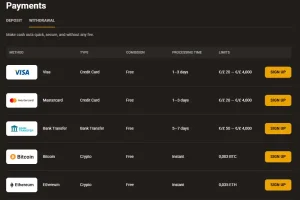
If getting your winnings promptly matters to you, payout time is a useful detail to check when choosing an online casino. The options below list stated withdrawal times for a quick reference.
1. Revery Play
Payout speed: 1-3 business days Revery Play lists a payout time of 1–3 business days, giving you a stated timeframe to consider.
2. Zombillion
Payout speed: 1-3 business days Zombillion lists payouts as taking 1–3 business days. You can use that estimate when considering how quickly you want to receive winnings.
3. SpinFormula
Payout speed: 1-3 business days SpinFormula states a payout time of 1–3 business days, so you have a clear estimate to refer to.
4. Jetsetspins
Payout speed: 1-3 business days Jetsetspins gives a stated payout timeframe of 1–3 business days. That makes its listed withdrawal timing easy for you to assess.
5. EvoSpin
Payout speed: 1-3 business days EvoSpin lists payouts at 1–3 business days. You have a stated timeframe to keep in mind when weighing payout speed.
6. NightWin
Payout speed: 1-3 business days NightWin states that payouts take 1–3 business days, providing you with a clear timing estimate.
7. Chanze
Payout speed: 1-3 business days Chanze lists a payout time of 1–3 business days. This gives you a straightforward estimate of its stated withdrawal timing.
8. Britsino
Payout speed: 1-3 business days Britsino states a payout timeframe of 1–3 business days, which you can consider when payout timing is important to you.
9. WinBeast
Payout speed: 1-3 business days WinBeast lists payouts as taking 1–3 business days. Its stated timing gives you a simple reference point.
10. NightLuck
Payout speed: 1-3 business days NightLuck gives a payout estimate of 1–3 business days, so you have a stated timeframe to consider.
A keno round starts with your selection of spots on a card. The card displays numbers from 1 to 80, and the game determines how many you may pick. Depending on the version, the available selection can extend to 10, 15 or 20 spots. Check the game’s rules before choosing: the number of spots you select affects which results can qualify for a prize.
You can mark your spots yourself or use an automated random selection if the game offers that option. Either way, your choices do not steer the draw. In online keno, a random number generator selects the drawn numbers. Choosing a personal favourite, or sticking with the same selection, does not make that spot more likely to appear in a legitimate game.
From selection to result
Once you have made your selection, the game draws numbers at random. Keno draws can include up to 20 numbers, while some versions draw fewer. The game’s rules explain the draw used for that particular round; it is worth checking them rather than assuming every keno game follows an identical format.
Online Bingo UK: Formats, Slots and Safe Play
After the draw, compare the drawn numbers with the spots on your card. When a drawn number matches one you selected, that is called catching a spot. The result is based on how many of your selected spots were caught, not simply on whether one number appeared.
For instance, a card can contain several selected spots, but the draw may catch only some of them—or none. Those are different outcomes, and the game’s prize rules determine what each is worth. The selection and the draw are separate parts of the round: you choose your spots first, then the random draw produces the result. No pattern in a previous round changes that process.
Why the number of picks matters
The number of spots you choose shapes the possible match results. A game that permits a different number of picks may also use a different set of prize conditions. So two games can both be called keno yet handle selections and matching results differently. The label alone does not tell you how a particular card will pay.
Keno Round Process
Step 1: Select Spots
Choose your numbers on a card from 1 to 80, based on the game’s allowed selection size.
Step 2: The Draw
Wait for the random number generator to select the drawn numbers for that round.
Step 3: Count Catches
Compare the drawn numbers with your selected spots to see how many were caught.
Step 4: Check Paytable
Refer to the prize table to see what your specific combination of selection size and catches pays.
Before playing, check the specific game’s rules, paytable and odds. Look for how many spots you may select, how many numbers are drawn and which catch counts qualify for prizes. Then compare those conditions with your preferred way to play. The better fit depends on the rules you want, not on a claim that one selection is lucky.
Keno has a random outcome, so a previous run of results is not a reliable guide to the next draw. A multi-game selection, where available, does not turn a chosen set of spots into a prediction. It simply carries your selection into another game under that feature’s terms. Random means random.
It is easy to focus on the numbers you picked and overlook the rules that connect picks to prizes. Keep the sequence clear: select spots, let the game draw, count the catches, then refer to the paytable for the result. If a rule is unclear, pause before wagering and check the game information. Guessing at the mechanics is a poor substitute for reading them.
Fast Casino Payouts and Keno: Two Different Measures
“Payout” can describe two different things in online gambling. In keno, it means the prize calculated from a game’s rules after a draw. For a casino withdrawal, it means money being transferred from an account to a player. A favourable keno result does not tell you how quickly a withdrawal will be processed.
That distinction matters when comparing casino payout rates with casino payout times. The first concerns a game’s potential returns under its paytable; the second concerns the handling of a cash-out request. They are separate measures, and one cannot be used as a shortcut for judging the other.
French Roulette Online Casinos UK: Rules and Offers
What a keno payout measures
A keno round starts with spots selected on a card showing numbers from 1 to 80. The game draws numbers at random, and the prize depends on the number of spots you chose and how many you catch. A paytable sets out which combinations qualify for a prize and what each qualifying result pays.
Those rules are not identical across platforms. The same number of catches can produce different results under different games’ paytables, so the relevant comparison is the specific game’s rules and odds—not a broad label such as “high payout”. Some games may also include side bets, such as multipliers; a specialist review describes these as a feature of some keno games, not as a standard condition across the market.
The word “payout” can therefore refer to a game outcome without saying anything about when a player can access money. A winning keno result is calculated according to the game; a withdrawal is a separate account and payment process. Similar wording, different jobs.
What withdrawal speed measures
When you look for the fastest-paying casinos in the UK, you are asking about the time and steps involved in withdrawing funds. That is not measured by how many spots match in keno, how often a paytable awards a prize, or how much a particular result is worth.
For a like-for-like comparison, keep the criteria in separate columns. For the game, compare its paytable, rules and odds. For a withdrawal, assess the stated processing arrangements and the payment method’s terms. A casino’s keno prize structure cannot stand in for details about its cash-out process.
"Payout" can refer to either the prize calculated from a game’s rules or the process of transferring money from a casino account to a player.
This is also why “best payout” needs a clear criterion. If you mean the potential return from a keno game, the paytable and odds are relevant. If you mean how quickly a casino sends withdrawals, keno outcomes are irrelevant. The winner depends on what you need; combining the two measures produces a ranking that answers neither question cleanly.
Keep the comparison useful
Before wagering, check the specific keno game’s paytable, rules and odds. Do not assume a payout description applies across every keno game on the same platform. Keno outcomes are random, and choosing particular spots does not change the draw in a legitimate game. No selection system can turn a game result into a withdrawal-time measure.
For a cash-out comparison, read the casino’s withdrawal information separately and look for the conditions that apply to your chosen method. Treat claims about game prizes and claims about payment timing as different claims, even when both use the word “payout”. That small bit of sorting prevents a tempting but meaningless comparison.
A strong keno paytable may suit you if you are comparing game rules and possible prizes. A clear withdrawal process may matter more if your priority is access to funds. Neither criterion proves the other. Keep the two measures apart.
Same-Day Casino Payouts: No Verified Timing Claims
“Same-day payout” can describe two different things: a win being credited to a casino account, or money arriving in a player’s bank or payment account after a withdrawal request. Those are not interchangeable. A keno prize is determined by the game’s rules and the result of its draw; that says nothing about when a casino processes or sends a withdrawal.
Live Baccarat Online Casinos in the UK: How to Compare
For a same-day casino payout claim to be useful, it needs to refer specifically to withdrawals and set out what the stated timeframe covers. A prize appearing in your balance is not proof that you can withdraw it and receive the money that day. Read the operator’s withdrawal terms and payment information before treating a speed claim as relevant to your decision. The wording matters.
The same distinction applies when looking for online casinos said to pay out on the day. A list or headline is not, by itself, a basis for ranking operators. The meaningful criterion is a clearly stated withdrawal timeframe, not the speed of a game result or a broad promise about payouts. Without comparable terms, “best” has no clear measure.
A no-deposit bonus does not answer the timing question either. It is a separate offer, not evidence that withdrawals are processed on the same day. Check the offer’s terms independently, and do not let a bonus label stand in for information about how cash withdrawals are handled.
Keno has its own payout criteria. Its rules and paytables vary across platforms, and winnings depend on the spots selected and how many match the draw. Check the specific game’s paytable, rules and odds before wagering. These details help you understand what a keno result may pay; they cannot establish a casino’s withdrawal timeframe.
A useful comparison therefore keeps two columns separate: game payout, covering what the keno paytable awards for a result, and withdrawal timing, covering when money requested from the casino is stated to reach you. Only the second column answers whether an operator offers same-day withdrawals. Do not use one as a substitute for the other.
Attention! A prize appearing in your casino balance is not proof that you can withdraw those funds on the same day.
For UK players, real-money online gambling must be offered by an operator holding the relevant UK Gambling Commission licence. That legal status is a separate check from payout speed: a licence does not, on its own, tell you how quickly a particular withdrawal will be completed. Compare the relevant terms directly, and avoid assuming that every operator or payment route follows the same timetable. A claim needs a clear measure.
Instant Payouts: Do Not Confuse Them with Keno Results
“Instant payout” can refer to two different things: a casino sending your withdrawal, or a game awarding a prize after a round. They are separate measures. A keno result tells you whether your selection won under that game’s rules; it does not tell you how quickly a casino will process money leaving your account.
That distinction matters when comparing instant payout casinos in the UK. A claim about withdrawal speed should be assessed as a payment-service claim, not inferred from a game’s prize table. Likewise, a high keno prize or a favourable result does not establish that a withdrawal will arrive instantly. The word “payout” alone is not a useful comparison criterion.
For keno, the relevant question is how the game calculates a prize. Outcomes are random, and no strategy guarantees a win. A run of catches—or a result with no prize—cannot be used to predict the next round. An instant-looking game result is still only a game outcome, not a promise about account processing.
Live Casino UK: Games, Payments and Offers
Before wagering, check the specific game’s rules, odds and paytable. Keno payouts vary between platforms, so compare the conditions for the game you intend to play rather than assuming that a familiar title follows identical terms everywhere. The paytable concerns potential game prizes; it does not substitute for the casino’s separate withdrawal terms.
Keep the criteria in separate columns: game rules and prize calculation on one side, withdrawal conditions on the other. That makes “best” meaningful only in relation to what you need. A casino may be relevant to your search for prompt withdrawals, while a particular keno game may suit you because its rules and prize structure are clear. Neither point proves the other.
Also treat “highest payout rate” carefully. A game’s return or house edge describes its mathematics, not the speed of a withdrawal and not a guaranteed result for an individual session. Keno has a house edge of 25% or more. A bonus attached to an instant-payment claim is another separate offer: it does not change how keno draws determine wins, and it should not be confused with cash already available to withdraw.
The useful comparison is therefore precise: read payment terms for withdrawals, and read the keno paytable for game prizes. One is about moving funds; the other is about a random result. Different questions, different evidence.
Quick Payouts and Keno: Check the Game Before You Wager
If you are comparing casinos because you want a quick payout, keep the game’s prize rules separate from the question of when a withdrawal is processed. A keno paytable describes what a winning combination pays; it does not establish how quickly money can be withdrawn. The useful comparison here is between the terms of the keno games available to you.
Before You Wager
- Read the rules for the particular keno game
- Compare its paytable with other games
- Check the odds and outcomes for each prize
- Verify the game’s betting range fits your budget
Those terms can differ from one platform to another. Check the specific game’s paytable before you wager, rather than assuming that the same selection or matching result will pay the same amount everywhere. A game that looks familiar may use a different payout structure. The title alone is not a comparison.
Read the rules alongside the paytable. Confirm how the game assesses your selection and what outcomes qualify for a prize. Then compare the listed prizes for the outcomes you care about. This gives you a concrete basis for choosing between games: the better fit depends on the rules and prizes you prefer, not on a vague label such as “quick payout”.
Keep the game’s odds in view as well as its prizes. Keno has a house edge of 25% or more, so a listed prize should not be mistaken for a likely return or a promise of profit. No choice of game terms can turn a random outcome into a guaranteed win.
A practical check before wagering:
- Read the rules for the particular keno game.
- Compare its paytable with the paytables of other games you are considering.
- Check the odds and the outcomes attached to each prize.
- Make your choice based on those terms, not on an assumption about withdrawal speed.
This is the part you can assess before playing. The quickest online casino payout is a separate claim; a keno prize table cannot confirm it. Likewise, a game’s payout structure should not be used as a proxy for how the casino handles withdrawals.
If a platform does not make the relevant game terms clear, you cannot make a sound comparison from the headline alone. Check before you wager.
Keno Payout Percentages and the House Edge
A keno payout percentage describes the game’s mathematics, not how quickly a casino processes a withdrawal. The house edge is the casino’s theoretical advantage over players across play; it is not a prediction of what you will win or lose in a single session. A favourable-looking figure does not guarantee a return.
The essential warning is that keno has a house edge of 25% or more. At the same time, a specialist review reports casino-dependent estimates ranging from 5% to 40%. Treat that span as a reported range, not as a promise that every game falls within it or that a particular figure applies to the game you are considering. The casino and the specific game matter.
Live Roulette UK with English-Speaking Dealers
For a useful comparison, find the house edge or return figure in the game information, then check how it is defined and which paytable it refers to. A percentage without those details is a weak comparison: two games may use the same label while offering different rules and prize structures. Keno payouts vary across platforms, so check the specific game’s paytable, rules and odds before wagering.
The house edge also does not tell you whether a particular set of spots is more likely to win. Keno outcomes are random, and choosing particular numbers does not affect the result in legitimate games. No system can turn a theoretical disadvantage into a guaranteed win. The figure is useful for comparing the game’s underlying mathematics, not for identifying a winning selection.
When comparing online casino payout percentages in the UK, keep the criterion narrow: compare the stated mathematical return for the same type of game, and confirm it against that game’s own terms. Do not treat a casino-wide claim as proof of the return on every keno title. If the percentage or its basis is unclear, the comparison is incomplete.
Mathematical Choice
A lower house edge is the better mathematical choice, but the paytable and rules still determine how catches are rewarded.
A lower house edge may be the better mathematical choice, but it does not settle every decision. The winner depends on what you need from the game; the paytable and rules still determine how catches are rewarded. A headline percentage is only one column in the table.
Keno and Slot Odds: A Necessary Distinction
Video keno odds are about as bad as slot-machine odds. That comparison is a broad warning about the games, not a way to identify which slot or keno option will return more. The result depends on the particular game, so a general comparison cannot tell you which one suits your priorities.
If you are weighing keno against online slots, look at the specific game information rather than treating either category as a single offer. For keno, check the paytable, rules and stated odds before you wager. Payouts vary between platforms, and the same number of spots can lead to different prize terms under different paytables. Compare the outcomes that matter to you, not just the game name.
A slot’s advertised payout figure, where provided, should not be treated as a promise about what you will win in a session. Nor does the broad comparison with video keno establish a ranking of slot games or sites. “Best” only has meaning against a criterion: a published return figure, if available, is different from the chance of a particular result or the size of a possible prize. Keep those measures separate.
Keno has a house edge of 25% or more. That is a mathematical disadvantage for the player over time, not a forecast of what will happen in one round and not a guaranteed loss on every bet. Keno results are random, and choosing particular spots does not change the outcome in a legitimate game. No selection system can turn that into a reliable advantage.
First-deposit casino bonuses in the UK: compare offers
The practical comparison is therefore narrow: video keno and slot machines can both offer unfavourable odds, but the category-level statement does not settle which individual game is preferable. Read the keno paytable and rules, and assess any slot using its own game information. Choose by the criterion you care about, not by the assumption that one format is automatically the better-paying choice.
Choosing a Keno Stake and Setting a Spending Limit
Choose a stake by comparing it with the amount you have set aside for gambling, not with a potential prize. A game that offers bets outside your intended range is a poor fit, however appealing its top payout may look. The better choice is the one whose stake options let you stay within your own budget.
Before wagering, decide how much you are willing to spend and treat that figure as a limit, not a target. Once you reach it, stop. Do not raise your stake to recover losses or keep playing because a win feels due: keno results are random, and previous rounds do not make a future result more likely. Chasing losses turns a planned expense into an open-ended one. A hard stop is less exciting—and more useful.
Deal or No Deal Casino UK: Game and Free Play
The paytable matters to your spending decision, too. Check the specific game’s rules, odds and prizes before you play, since keno payouts vary across platforms. A larger advertised prize does not, by itself, make a game suitable for your bankroll. Compare what you can stake with what the paytable says you could win, and decide whether the game still fits your limit.
Keep the house edge in view: keno has a house edge of 25% or more. That is a reason to set a firm budget, not a prediction of what will happen in a particular session. No number choice or betting system removes that edge or guarantees a win.
If you are comparing casinos for payouts, keep that separate from choosing a keno stake. A withdrawal claim does not tell you whether a game’s betting range suits your budget. Make the game and spending limit the deciding criteria for play; leave any stake you cannot comfortably afford unplayed.
What is the house edge in Keno?
It can range from 5% to 40%, depending on the casino and game. Check the specific game’s rules and paytable before you play.
How important is it to pick the right Keno game?
It matters because games can have different rules and paytables, so the same number of catches may pay differently. Compare the table for the number of spots you plan to select and the possible catches.
How much does it cost?
Minimum stakes are £1. You can choose your bet size, so check that it fits your budget.
Are there different versions of Keno?
Yes. The number of picks, numbers drawn, rules and payout structures can vary between games, so check the specific game’s details.
How do you play Keno?
Choose numbers before the draw, either manually or with an automated random selection. You win according to how many of your selected numbers match the drawn numbers, as set out in the game’s paytable.
Is the payout guaranteed?
No. Keno results are random, and no number selection or strategy guarantees a win.
How is Keno betting done?
Choose your numbers and bet size before the draw. Some games let you use the same selection for multiple games or place side bets such as multipliers.
Material created by the team SlotLair